
Pistachio Nuts (Turkey’s Famous Pistachio) – Benefits & Nutritional Value
What Are Pistachio Nuts?
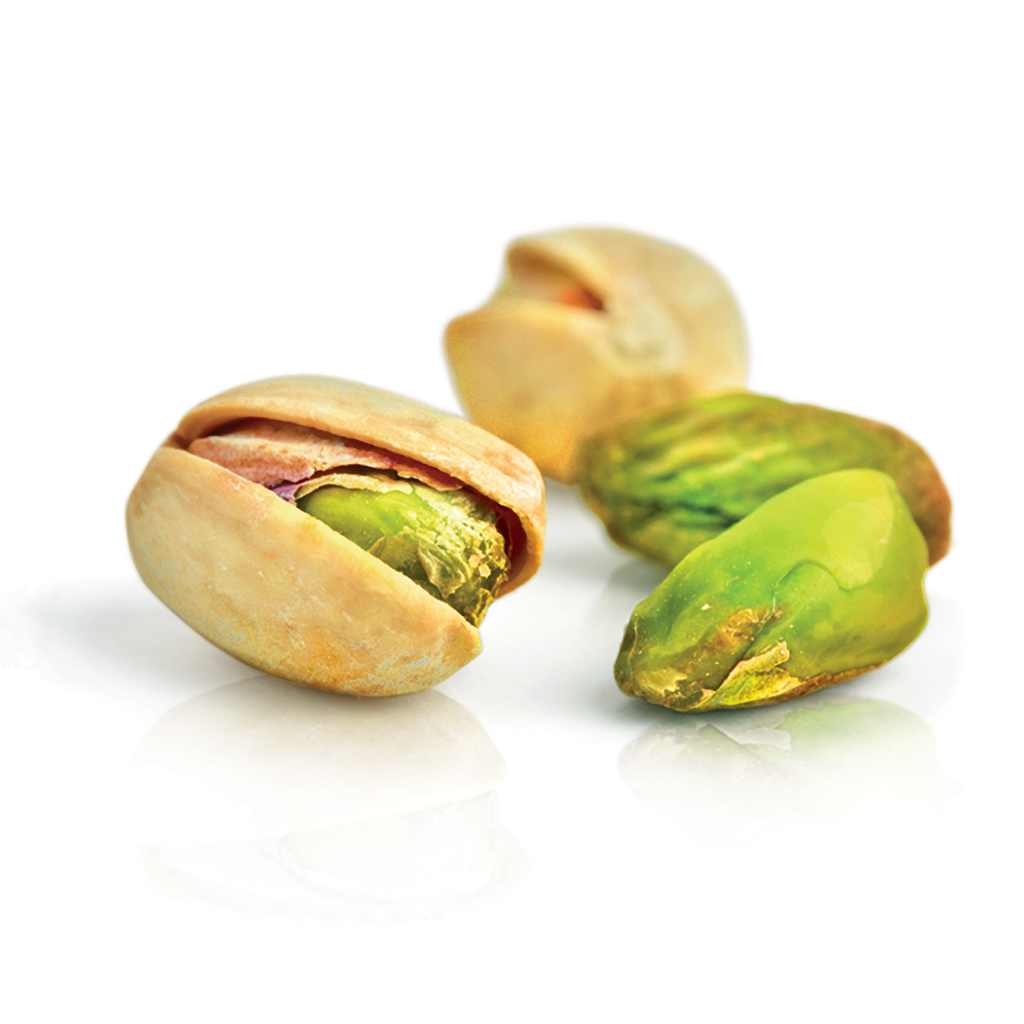
Pistachio nuts, scientifically known as Pistacia vera, are small, flavorful nuts with a distinctive greenish hue and a slightly sweet taste. Among all pistachios worldwide, Turkey’s pistachios—especially from the Gaziantep region—are renowned for their premium quality, large size, and exceptional flavor.
Pistachios have been cultivated for thousands of years and were considered a delicacy in ancient civilizations, including Persia and the Mediterranean. Today, Turkish pistachios are prized for their rich nutritional content and versatility in culinary and health applications.
Key Features of Turkey’s Famous Pistachios (Turkey’s Famous Pistachio)
-
Origin: Gaziantep, Turkey
-
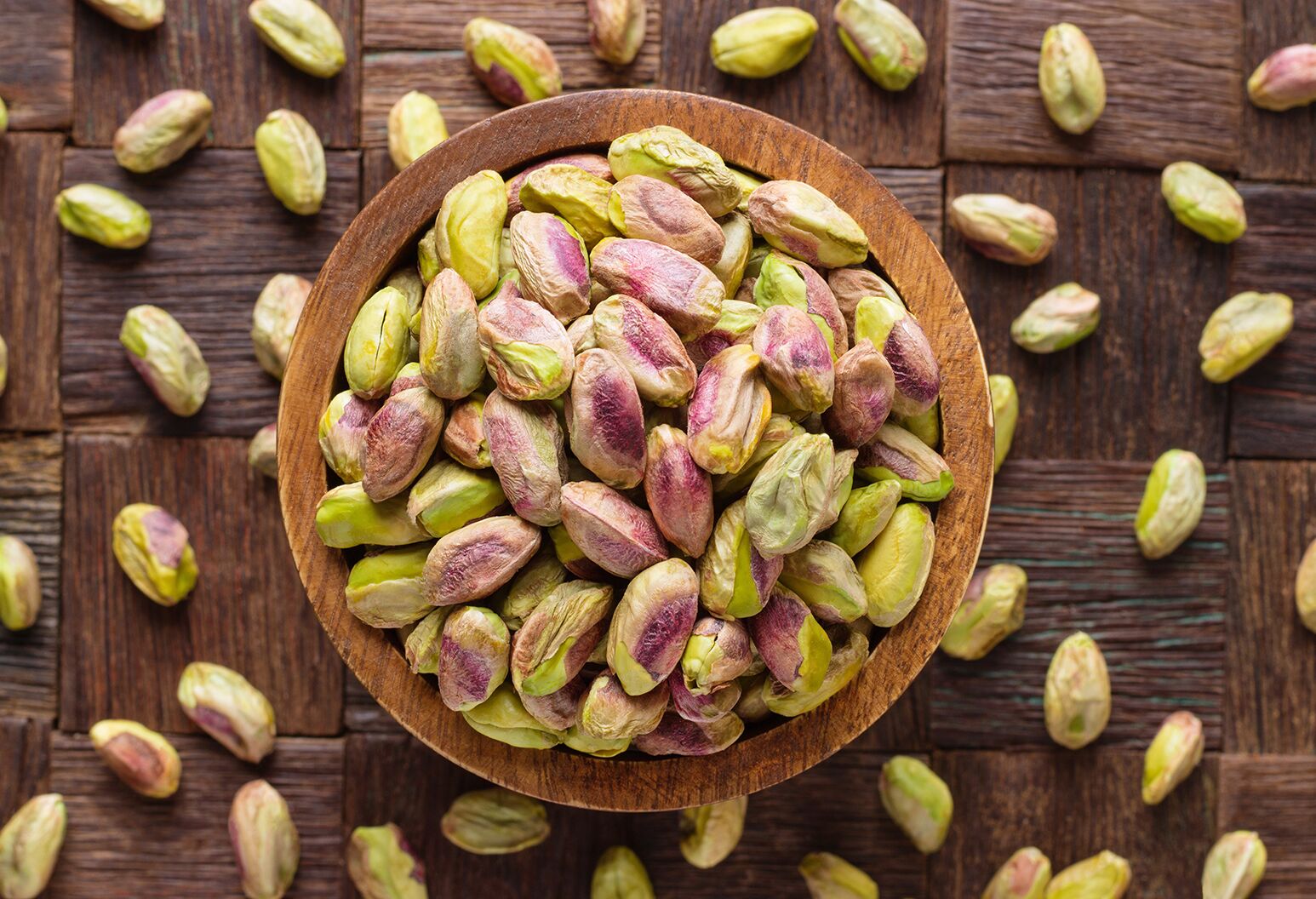
Color: Bright green kernels with a slightly purplish hue
-
Size: Larger than average pistachios
-
Taste: Sweet, nutty, and rich
-
Uses: Snacking, desserts, baklava, salads, and culinary garnishes
-
Quality: Natural, fresh, and chemical-free
Nutritional Profile of Pistachios (per 100g)
Turkey’s pistachios are nutrient-dense, offering healthy fats, protein, vitamins, and minerals.
| Nutrient | Amount |
|---|---|
| Calories | 562 kcal |
| Protein | 20 g |
| Fat | 45 g (mostly unsaturated) |
| Carbohydrates | 28 g |
| Fiber | 10 g |
| Potassium | 1025 mg |
| Magnesium | 121 mg |
| Vitamin B6 | 1.7 mg |
| Vitamin E | 2.3 mg |
| Iron | 4 mg |
| Phosphorus | 490 mg |
Key Nutritional Highlights:
-
Healthy fats: Mostly monounsaturated and polyunsaturated
-
High in protein: Ideal for vegetarians and vegans
-
Rich in antioxidants: Lutein, zeaxanthin, and polyphenols
-
High in fiber: Supports digestion and gut health
Health Benefits of Pistachio (Turkey’s Famous Pistachio) Nuts
1. Heart Health
Pistachios are heart-friendly due to their high content of monounsaturated fats, antioxidants, and potassium. Regular consumption may:
-
Lower LDL (bad cholesterol)
-
Improve HDL (good cholesterol)
-
Reduce blood pressure
-
Support overall cardiovascular health
2. Weight Management
Despite being calorie-dense, pistachios can help manage weight when eaten in moderation. The combination of protein, fiber, and healthy fats promotes satiety, reducing overeating.
3. Blood Sugar Control
Pistachios have a low glycemic index, making them suitable for people with diabetes. They help:
-
Regulate blood sugar levels
-
Improve insulin sensitivity
4. Digestive Health
The high fiber content in pistachios supports a healthy digestive system by:
-
Promoting bowel regularity
-
Supporting gut microbiota
-
Reducing constipation
5. Antioxidant Protection
Pistachios are rich in antioxidants like lutein, zeaxanthin, and polyphenols, which:
-
Protect cells from oxidative stress
-
Reduce inflammation
-
Support healthy aging
6. Eye Health
The antioxidants lutein and zeaxanthin in pistachios help protect the eyes from:
-
Age-related macular degeneration (AMD)
-
Cataracts
-
Oxidative damage
7. Skin and Hair Benefits
Vitamin E, biotin, and healthy fats in pistachios:
-
Nourish the skin
-
Reduce dryness and premature aging
-
Strengthen hair and promote shine
8. Energy Boost
Pistachios are an excellent source of protein and healthy fats, providing a natural energy boost for:
-
Morning snacks
-
Pre- or post-workout energy
-
Active lifestyles
9. Bone Health
Pistachios contain essential minerals like phosphorus, calcium, and magnesium that strengthen bones and teeth.
10. Brain Health
Pistachios support cognitive function due to:
-
Vitamin B6, which aids neurotransmitter function
-
Antioxidants that protect brain cells
-
Healthy fats that support memory and focus
How to Eat Pistachio Nuts
Raw Pistachios
-
Snack on raw pistachios daily (20–30g)
-
Can be eaten alone or mixed with other nuts
Roasted Pistachios
-
Lightly roasted pistachios enhance flavor
-
Avoid heavily salted versions for heart health
With Milk or Yogurt
-
Combine 5–10 pistachios with milk or yogurt for breakfast
-
Boosts protein and nutrient intake
In Cooking
-
Use pistachios in desserts like baklava, cakes, or puddings
-
Add to salads or roasted vegetable dishes for crunch and flavor
Pistachios for Different Age Groups
Children
-
Protein and healthy fats aid growth and brain development
-
5–10 nuts daily as a snack or in breakfast
Adults
-
Supports heart health, energy, and weight management
-
20–30g per day
Seniors
-
Provides antioxidants, bone support, and cognitive benefits
-
Helps manage cholesterol and blood sugar
Precautions and Side Effects
While pistachios are generally safe, excessive consumption may cause:
-
Weight gain (due to high calories)
-
Allergic reactions in nut-sensitive individuals
-
Gastrointestinal discomfort if eaten in very large amounts
Tip: Moderation is key. A handful (20–30g) per day is ideal.
How to Identify Premium Turkish Pistachios
-
Color: Bright green kernels, slightly purplish tinge
-
Size: Larger than average pistachios
-
Taste: Naturally sweet, nutty flavor
-
Freshness: Crunchy, not stale
-
No artificial additives: Free from preservatives and dyes
Storage Tips
-
Store in an airtight container
-
Keep in a cool, dry place away from sunlight
-
Refrigeration or freezing prolongs shelf life
-
Avoid exposure to moisture to prevent mold
Why Choose Turkey’s Pistachios?
Turkey’s pistachios, particularly from Gaziantep, are globally renowned due to:
-
Optimal climate for pistachio cultivation
-
Traditional hand-picked harvesting methods
-
Rich flavor and superior size
-
High nutrient density
These factors make Turkish pistachios a premium choice for health-conscious individuals and culinary enthusiasts alike.
Culinary Uses of Pistachio Nuts
-
Snacking: Raw or roasted pistachios
-
Desserts: Baklava, ice cream, puddings
-
Baking: Cakes, cookies, muffins
-
Salads: Adds crunch and flavor
-
Cooking: Garnish for rice, stews, and meat dishes
Pistachios and Weight Management
Despite being high in calories, pistachios can help with weight management due to:
-
High protein and fiber (keeps you full longer)
-
Healthy fats (promotes satiety)
-
Portion control is crucial (handful per snack)
Pistachios (Turkey’s Famous Pistachio) and Heart Health – Scientific Evidence
Studies show that consuming 1–2 ounces (28–56g) of pistachios daily can:
-
Reduce LDL cholesterol
-
Improve blood vessel function
-
Lower risk of heart disease
Pistachios for Skin & Hair
-
Vitamin E protects the skin from UV damage
-
Healthy fats prevent dryness and improve elasticity
-
Biotin and protein support hair growth and shine
Pistachios and Brain Function
-
Vitamin B6 helps produce neurotransmitters
-
Antioxidants reduce oxidative stress in the brain
-
Improves memory, focus, and cognitive performance
FAQs About Turkish Pistachios
-
Are pistachios good for weight loss?
-
Yes, in moderation, they help keep you full and reduce cravings.
-
-
Can diabetics eat pistachios?
-
Yes, they have a low glycemic index and support blood sugar control.
-
-
How many pistachios should I eat daily?
-
20–30g (a small handful) per day is ideal.
-
-
How do I store pistachios?
-
Keep in an airtight container, cool and dry place; refrigerate for long-term storage.
-
-
Are Turkish pistachios better than others?
-
Yes, they are larger, more flavorful, and nutrient-dense due to optimal climate and cultivation methods.
-
Conclusion
Pistachio Nuts (Turkey’s Famous Pistachio) are not just delicious—they are a superfood packed with protein, healthy fats, fiber, vitamins, and minerals. Regular consumption supports heart health, brain function, skin and hair care, energy levels, and digestion.
Whether eaten raw, roasted, in desserts, or added to meals, Turkish pistachios are the premium choice for anyone seeking taste, health, and quality.
Invest in authentic Turkish pistachios for the best flavor, freshness, and nutritional benefits, and enjoy one of the world’s healthiest nuts every day.

Reviews
There are no reviews yet.